39 drag the labels onto the diagram to differentiate internal and external environments.
Art-labeling Activity Figure 1.5 Label the body's internal and external environments. Part A Drag the labels onto the diagram to differentiate internal and external environments. ANSWER: Correct Focus on... stop, i.e., . Referring to the free-body diagram of the car,Fig. a, W and N do no work;however, does negative work. x max = 3.24 ft Ans. 1 2 a 4000 32.2 b(752) + c-L x max 0 90(10 3)x1>2dxd = 0 T 1 +© U 1-2 = T 2 F b v 2 = 0 v 1 = 75 ft>s Ans: x max = 3.24 ft
Drag the labels onto the diagram to identify the steps in a reaction both with and without enzymes. ... a. sense the internal and external environments b. integrate sensory information ... AIDS is an example of an immunodeficiency disorder. How is it different from a severe allergy or an autoimmune disorder, such as diabetes 1? a. The immune ...

Drag the labels onto the diagram to differentiate internal and external environments.
The diagram on the right shows the equilibrium state after diffusion has occurred. There are 6 orange balls on the left and 6 orange balls on the right. There are 4 purple balls on the left and 4 purple balls on the right. Drag the labels onto the table to indicate when each statement is true. Labels can be used once, more than once, or not at all. Question: Drag the labels onto the diagram to differentiate internal and external environments. Opposite facing arrows in parallel indicate exchange. External Anatomy of the Kidneys The kidneys are held in place on the posterior body wall and pro-tected by three external layers of connective tissue (Figure 24.2). From superficial to deep, these layers are as follows: Renal fascia. renal fasciaThe (FASH-ee-ah) is a layer of dense irregular connective tissue that anchors each kidney
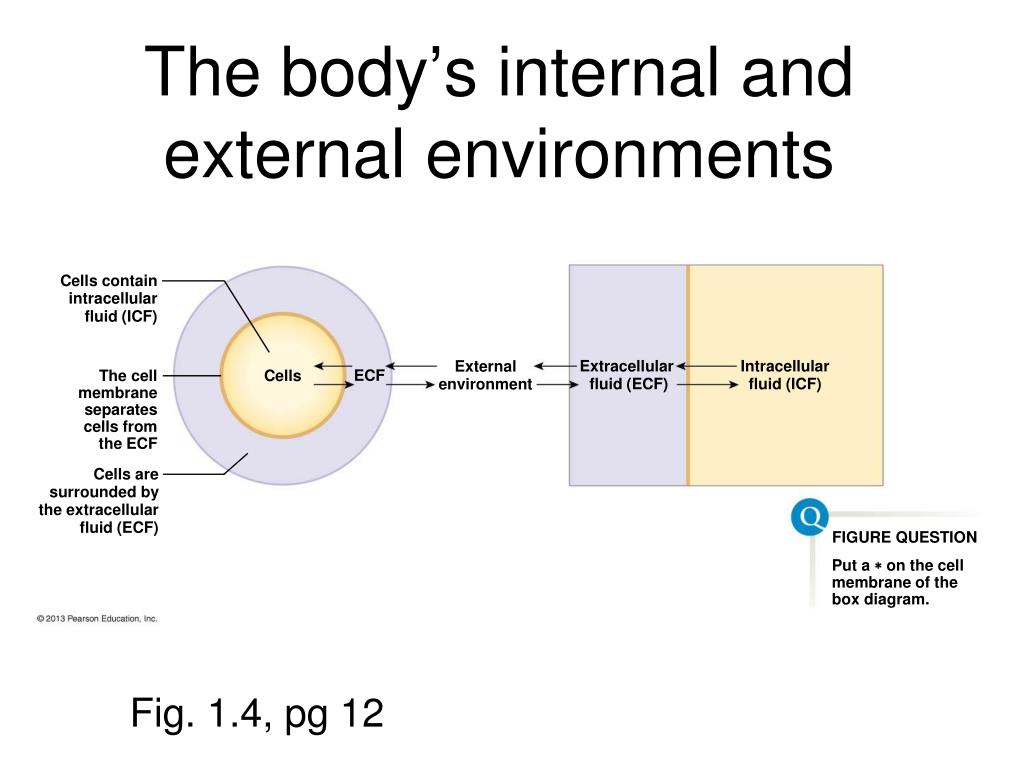
Drag the labels onto the diagram to differentiate internal and external environments.. Question: Drag the labels onto the diagram to differentiate internal and external environments. Opposite facing arrows in parallel indicate exchange. Drag the labels onto the diagram to differentiate internal and external environments. ICF inside cell membrane ... exchange with external environment Drag the labels onto the diagram to identify the parts of the kidney. ... a blockage in a ureter due to kidney stones or external pressure is serious because it leads to an increase in capsular hydrostatic pressure. What is the consequence of this increase in pressure? ... Drag the labels to differentiate between blood types. 1. ICF (Intracellular fluid) : The fluid present inside the cells e.g. cytosol 2. Cell membrane : A flexible,biological membrane aro …. View the full answer. Transcribed image text: Drag the labels onto the diagram to differentiate internal and external environments. Opposite facing arrows in parallel indicate exchange.
Drag the labels onto the diagram to identify the anterior anatomical landmarks on the superior half of the body. ... _____ fast acting response to internal and external changes. Digestive system _____ breaks down food into absorbably units. ... Differentiate between the nervous system and endocrine system in terms of what they use to ... Question: Drag the labels onto the diagram to differentiate internal and external environments. Opposite facing arrows in parallel indicate exchange. Transcribed image text: Part Drag the labels onto the diagram to cientate internal and external environment Rese ECF Cal membrane roman Gove? Group dra! membrane Group 2 Exchange wen extemal environment Exchange to maintain cel homeostasis Submit Request External Anatomy of the Kidneys The kidneys are held in place on the posterior body wall and pro-tected by three external layers of connective tissue (Figure 24.2). From superficial to deep, these layers are as follows: Renal fascia. renal fasciaThe (FASH-ee-ah) is a layer of dense irregular connective tissue that anchors each kidney
Question: Drag the labels onto the diagram to differentiate internal and external environments. Opposite facing arrows in parallel indicate exchange. The diagram on the right shows the equilibrium state after diffusion has occurred. There are 6 orange balls on the left and 6 orange balls on the right. There are 4 purple balls on the left and 4 purple balls on the right. Drag the labels onto the table to indicate when each statement is true. Labels can be used once, more than once, or not at all.
Intracellular Nonequilibrium Fluctuating Stresses Indicate How Nonlinear Cellular Mechanical Properties Adapt To Microenvironmental Rigidity Scientific Reports
Pearsonhighered Com

Sensors Free Full Text Viriot A Cloud Of Things That Offers Iot Infrastructures As A Service Html
Library Wmo Int

Cisco Dcnm Lan Fabric Configuration Guide Release 11 0 1 Control Cisco Data Center Network Manager Cisco
Lib Stikes Mw Id
Procurement Notices Undp Org
Etd Ohiolink Edu

Anomalous Dynamics Of Qbo Disruptions Explained By 1d Theory With External Triggering In Journal Of The Atmospheric Sciences Volume 78 Issue 2 2021
Files Canon Europe Com
Opencommons Uconn Edu

Biofabrication Of In Situ Self Assembled 3d Cell Cultures In A Weightlessness Environment Generated Using Magnetic Levitation Scientific Reports
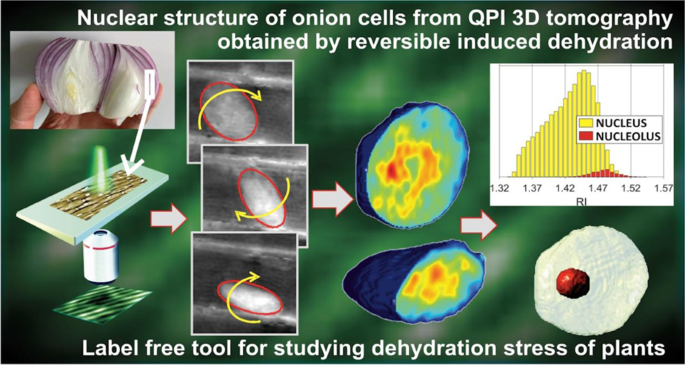
Dehydration Of Plant Cells Shoves Nuclei Rotation Allowing For 3d Phase Contrast Tomography Light Science Applications
Anatomy And Physiology Lab I On Openalg

Expression Of Concern Abstracts 2019 Basic Amp Clinical Pharmacology Amp Toxicology Wiley Online Library
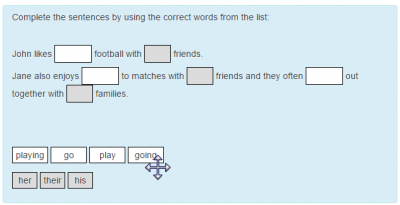
Drag And Drop Into Text Question Type Moodledocs
Ppt Human Physiology Powerpoint Presentation Free Download Id 4031790
Bab Technologie Com
Pubs Rsc Org
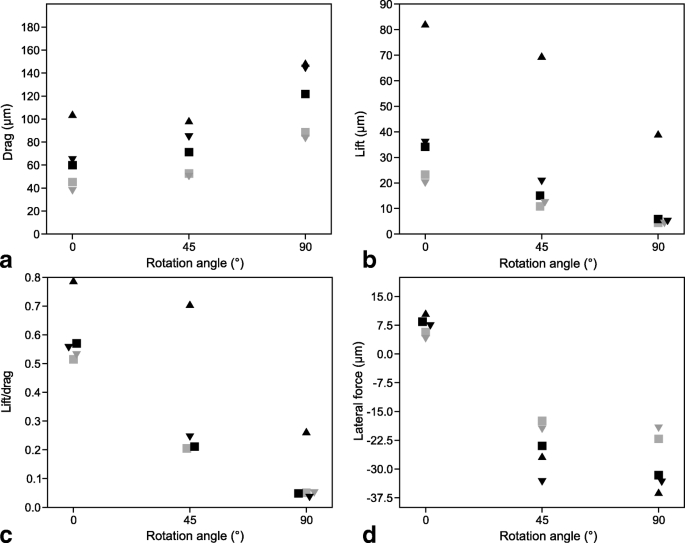
Testing The Adaptive Value Of Gastropod Shell Morphology To Flow A Multidisciplinary Approach Based On Morphometrics Computational Fluid Dynamics And A Flow Tank Experiment Zoological Letters Full Text
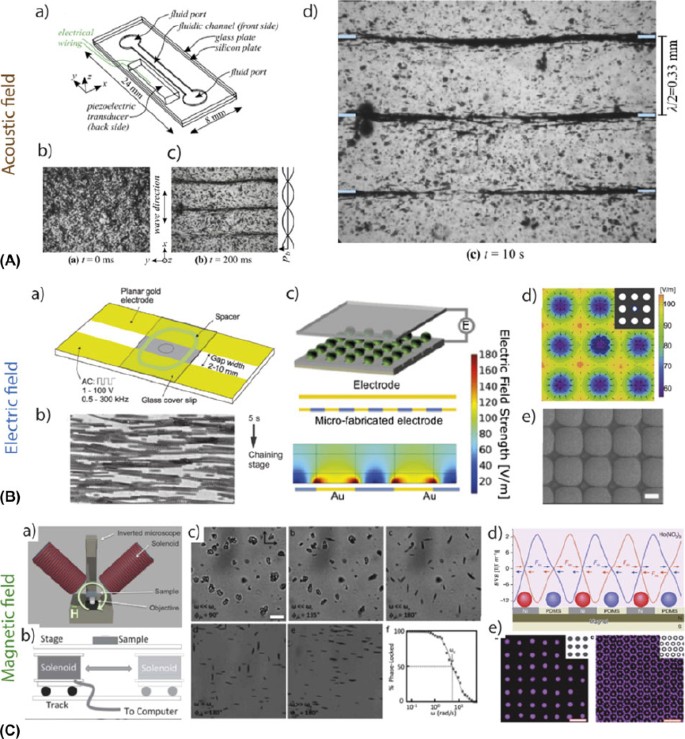
External Fields For The Fabrication Of Highly Mineralized Hierarchical Architectures Springerlink
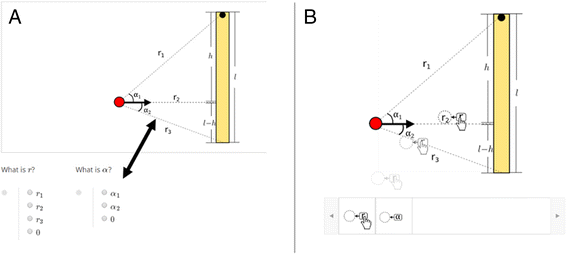
Researching For Better Instructional Methods Using Ab Experiments In Moocs Results And Challenges Research And Practice In Technology Enhanced Learning Full Text
Repository Ung Ac Id

Homeostasis Cellular Transport Pdf Homeostasis Cellular Transport Https Session Masteringaandp Com Myct Assignmentprintview Ass Homeostasis Cellular Course Hero
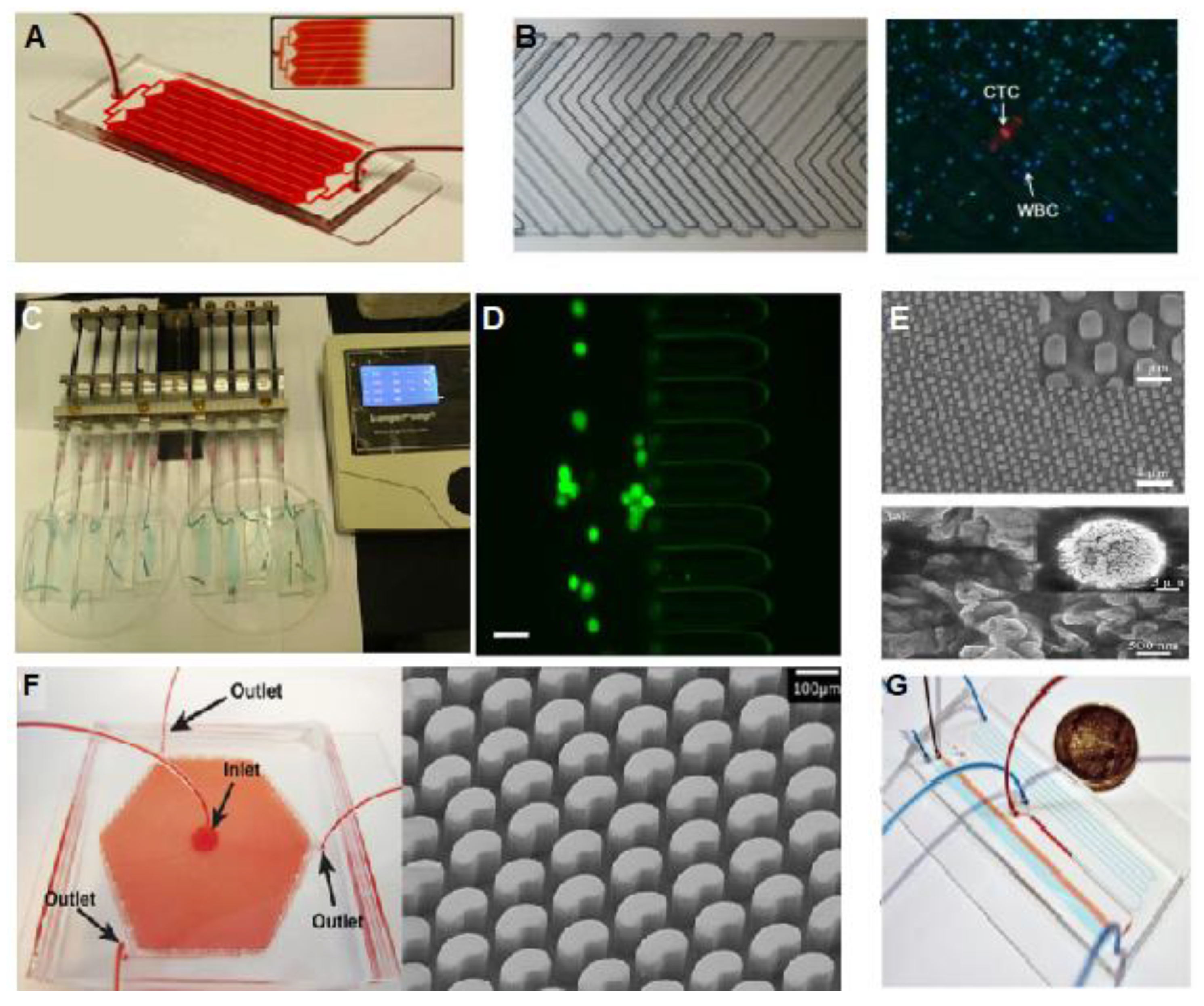
Sensors Free Full Text Sensor Integrated Microfluidic Approaches For Liquid Biopsies Applications In Early Detection Of Cancer Html

Chapter 1 Three Scenarios For Financial Stability In Global Financial Stability Report October 2015
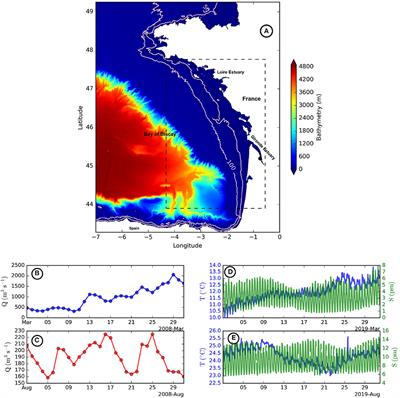
Frontiers Non Linear Processes In The Gironde River Plume North East Atlantic Instabilities And Mixing Marine Science
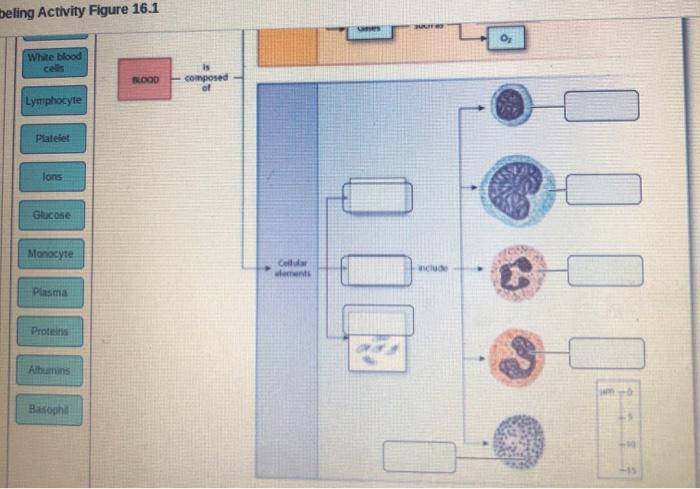
16 Hw Blood Abeling Activity Figure 16 1 Part A Drag Chegg Com

Web Site User S Guide For Pathway Tools Based Web Sites

Expert Answer Drag Labels To The Appropriate Locations In This Diagram Drag Labels To Targets Brainly Com
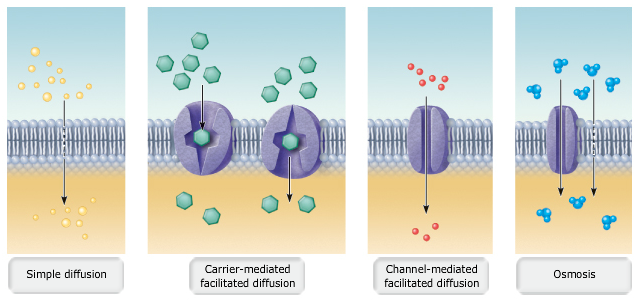
Print A P Chapter 3 Cells The Living Units Flashcards Easy Notecards
Telearn Archives Ouvertes Fr
Repository Unsri Ac Id

Bio 360 Animal Physiology Masteringphysiology Pre Class Assignment 24 Art Labeling Activity Figure 19 2 Art Labeling Activity Figure 19 8 Diagram Quizlet

Electrophoretic Technology An Overview Sciencedirect Topics

Biology 112 Homework Collection P3 Flashcards Quizlet

Creating Underwater Vision Through Wavy Whiskers A Review Of The Flow Sensing Mechanisms And Biomimetic Potential Of Seal Whiskers Journal Of The Royal Society Interface
Dnv Com
Core Ac Uk
0 Response to "39 drag the labels onto the diagram to differentiate internal and external environments."
Post a Comment